

Ngayong Miyerkules, Hunyo 24, ay ginugunita ang ika-455 anibersaryo ng pagkakatatag ng Maynila.
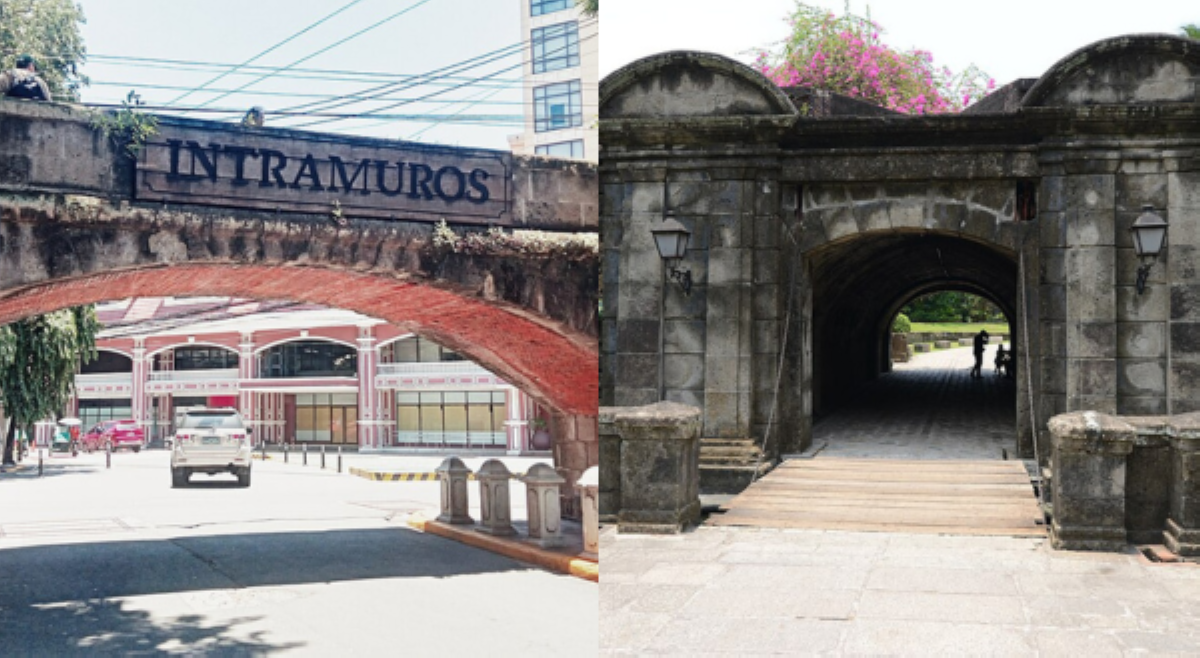
At isa sa mga pinakatanyag na lugar sa Maynila ay ang makasaysayang Intramuros.
Pero taliwas sa kaalaman ng nakararami, na ang petsang Hunyo 24 ay ang komemorasyon ng pagkakatayo ng Intramuros, at hindi ng kasalukuyang Maynila.
KAUGNAY NA BALITA: #BALITAnaw: ‘Fun facts’ tungkol sa Maynila para sa kaalaman ng mga Manilenyo-Balita
Sa usaping Manila Day 2026 at Intramuros, napag-usapan ang makasaysayang lugar sa isang episode ng YouTube channel na “Think Talk Tea,” kung saan nagsiwalat ng ilang impormasyon ang Manila Tour Guide na si Benjamin Canapi kaugnay dito.
Sa naturang panayam, ibinunyag ni Canapi na hindi na umano orihinal ang nakatayong Intramuros sa kasalukuyan.
“Intramuros is already at that point that anything that could have been saved and restrored has already been saved and restrored—which is not saying much,” saad ni Canapi.
Paliwanag niya, “Because after the battle of Manila, we’re transitioning to that, 97 to 98% of Intramuros was destroyed; only San Agustin Church and one other building was left standing.”
Giit ni Canapi, ang nakikita ngayong Intramuros ay hindi na orihinal.
Binanggit niya rin ang ilang makasaysayang simbahan gaya na lamang ng San Agustin—na aniya’y orihinal hanggang sa kasalukuyan.
“San Agustin, yes [original], but that’s been you know cleaned up over time—but yes, it’s still the 1607 church, that’s why it looks so simple,” aniya.
“Manila Cathedral was built in 1958; some of the parts of the walls, the gates were built in 1960. The most of the walls are repaired in 1981,” pagkukuwento niya.
“‘Yong cluster of that ancestral-looking houses beside San Agustin, 1983 ang Plaza St. Complex,” dagdag pa niya.
Kung kaya’t udyok niya sa mga pribadong sektor ay ang pag-iinvest sa Intramuros.
“So, most of that were new—but that also gives what I’m about to say,” ani Canapi.
“It is now time for the private sector to come into Intramuros and invest—buy the parcel of land, build more hotels, build commercial areas so you can put in more restaurants…creative spaces,” dagdag pa niya.
Batay naman sa impormasyong inilatag ng UNESCO World Heritage Convention (WHC), ang ilan sa mga bahagi ng Intramuros ay dumaan na sa restorasyon matapos masira bunsod ng digmaan.
“The spatial organization of the Historic Centre of Manila continues to reflect the 16th-century gridiron plan. The architectural components of the fortification system like the gates, bastions, curtain walls, revellins, and other military installations reflect the urban ensemble of the walled city of Intramuros as conceived and continuously evolved from the 16th to the 19th centuries,” saad ng UNESCO WHC.
“The materials and substance are largely original, primarily volcanic tuff and brick. Areas destroyed during the Second World War have been systematically and scientifically restored by the Government of the Philippines from the 1960s to the 1980s using original materials. In some cases, reconstructions have used cement concrete but nevertheless recreated the original architectural vocabulary,” dagdag pa nila.
Orihinal man o dumaan na sa sistematiko at siyentipikong restorasyon, nananatiling bitbit ng Intramuros ang mayamang kultura, tradisyon, at kasaysayan ng Pilipinas.